

The movement of trash across international boundaries is a huge, frequently invisible industry. Whilst it enables some places to handle their domestic decline by delivery it elsewhere, this international change creates a complicated web of environmental and financial consequences. From trade waste disposal scraps to harmful electronic components, the items we toss usually journey thousands of miles before hitting their ultimate relaxing place. But what is the actual charge with this trip?
Understanding the waste trade requires looking beyond easy disposal. It requires examining how waste is appreciated as a product, the financial disparities between exporting and importing nations, and the lasting presence left on the planet.

What is the global waste trade?
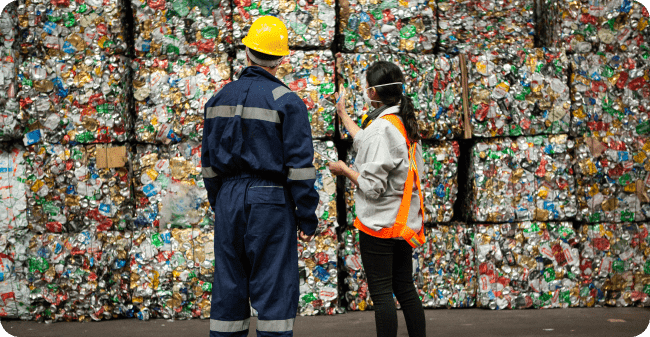
The worldwide waste trade describes the international import and export of waste materials for therapy, removal, or recycling. This technique surfaced as created nations sought cost-effective methods to handle high volumes of refuse, while building nations saw an opportunity to transfer resources that might be reprocessed into fresh goods.
Nevertheless, the truth is often less mutually useful than it seems on paper. High-income countries export countless a great deal of waste annually, usually to nations with less stringent environmental regulations and limited infrastructure to method it safely.
How does waste trade impact the environment?
The environmental toll of delivery waste is substantial and multifaceted.
Carbon Footprint: Moving an incredible number of tons of waste via shipment ships produces considerable greenhouse gas emissions, adding right to environment change.
Pollution in Receiving Places: When posting countries lack the ability to method waste precisely, a lot of it ultimately ends up in open landfills or is incinerated illegally. This produces toxic gases into the air and leaches harmful substances into the earth and waterways.
Underwater Debris: Mismanaged plastic waste usually escapes in to the ocean. It is projected a significant percentage of underwater plastic pollution originates from waste that was exported for recycling but was never actually processed.
What are the economic implications?
The economics of waste trade certainly are a double-edged sword.
For Exporters: It is often cheaper to vessel waste abroad than to method it domestically. This allows rich nations to steer clear of the high charges of local recycling infrastructure and rigid environmental compliance.
For Importers: Building economies may possibly view waste imports as a supply of cheap organic materials. Nevertheless, the economic burden of clearing up the resulting pollution and handling unrecyclable toxins frequently outweighs the initial profits. The expenses related to pollution-related illnesses in these parts further strain regional economies.
Is the system changing?
Yes, the landscape is shifting. Procedures like the Basel Meeting have now been increased to raised control the action of hazardous waste. Furthermore, significant importers have started implementing stricter bans on contaminated foreign waste, making exporting countries to reconsider their waste administration strategies.
The Future of Waste Management
Dependence on exporting trash is not really a sustainable long-term solution. Correct economic and environmental balance lies in building strong domestic recycling abilities and lowering waste era at the source. By moving towards a round economy—where items are designed for durability and easy recycling—countries may lower their dependence with this unstable trade.
Finally, waste shouldn't be described as a problem we ship out, but a source we learn to handle reliably at home.